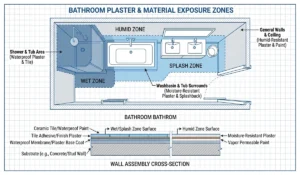

For importers sourcing mineral inputs at scale, bulk gypsum logistics is rarely the headline concern, yet it quietly determines profitability. The gap between a competitive FOB price and a punishing landed cost almost always sits in transport, packaging and loss. This guide treats logistics as a procurement lever, not an afterthought.
Gypsum is cheap per tonne and heavy, which inverts the usual cargo math. Freight, handling and moisture damage frequently exceed the value of the material itself. That makes bulk gypsum logistics the single highest-leverage variable in your sourcing decision.
This is also where suppliers separate themselves. Anyone can quote a price on Raw Gypsum Stone, but few can guarantee it arrives dry, uncontaminated and on schedule. The following sections walk through each decision point that affects your delivered cost and product quality.
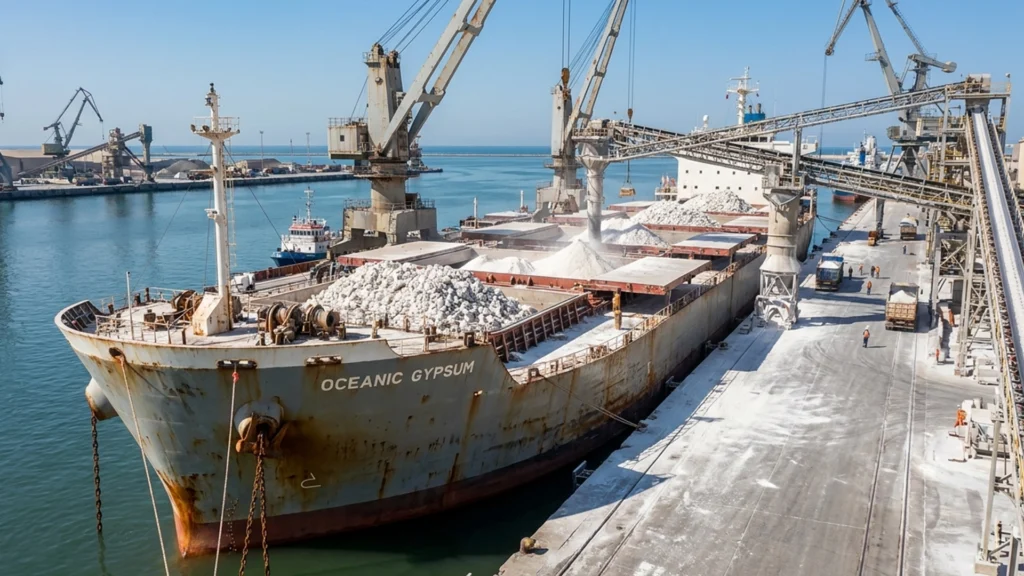
Why Bulk Gypsum Logistics Decides Your Landed Cost
Gypsum trades on thin margins, so small handling inefficiencies compound fast. A 2-3% moisture pickup or a partial caking event can render an entire shipment unsuitable for high-spec plaster production. Effective bulk gypsum logistics protects both the tonnage and the chemical specification you paid for.
The cost stack for imported gypsum typically breaks down into FOB material price, ocean freight, port handling, inland transport and loss provisions. For low-value minerals, freight and handling often represent more than half of landed cost. Optimizing this stack is where importers find real savings.
Consider the freight ratio carefully. When you ship calcined or processed grades such as Betogips Gypsum or Micronized Gypsum, the higher unit value justifies premium packaging that would be uneconomical for raw rock. Matching packaging spend to product value is the core discipline of bulk gypsum logistics.
Calculating True Cost Per Delivered Tonne
Never evaluate suppliers on FOB price alone. Build a delivered-cost model that includes packaging type, expected moisture loss, demurrage risk and rejection rates. A supplier who is 5% more expensive at FOB but delivers zero rejected tonnage is almost always the cheaper option.
Importers who run this calculation properly often discover that the lowest quoted price carries the highest total cost. Hidden losses in poorly managed bulk gypsum logistics surface as caked material, contaminated batches and customs delays. These are real costs, even when they never appear on the original invoice.
Packaging Formats: Loose, Big Bags and Palletized
Packaging is the first major fork in your logistics plan. Three dominant formats serve the gypsum trade, each suited to a different grade and destination profile. Choosing correctly is fundamental to controlling bulk gypsum logistics outcomes.
Loose bulk loading is the cheapest method per tonne and suits unprocessed Raw Gypsum Stone destined for buyers with mechanical unloading capacity. It eliminates packaging spend entirely but exposes cargo to moisture and contamination. This trade-off only works when the receiving facility can handle loose material efficiently.
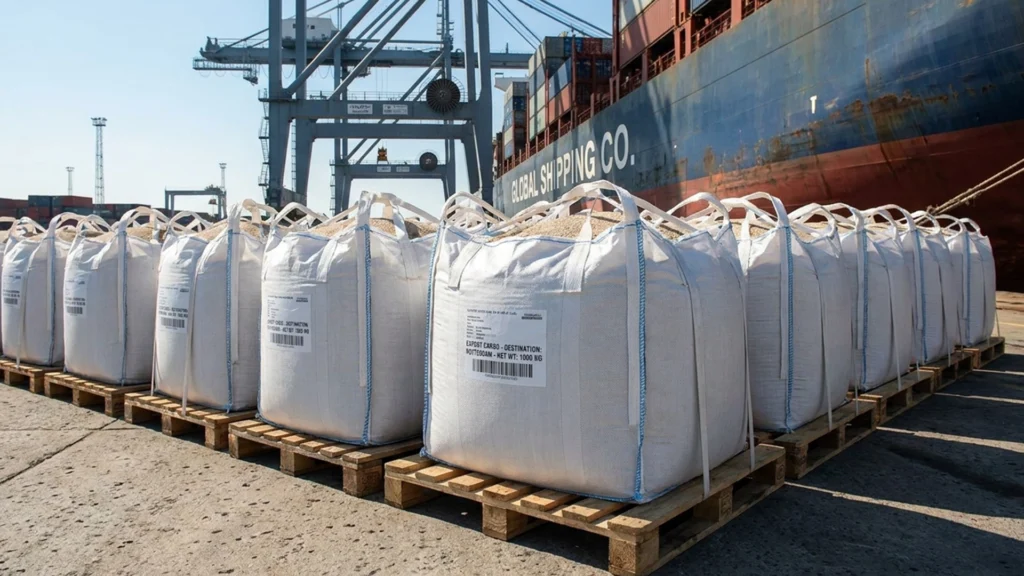
Jumbo bags, typically 1,000 to 1,500 kg FIBCs, dominate mid-value powder shipments. They protect powdered grades, simplify handling with standard forklifts and reduce dust exposure during discharge. For products like Putty Powder or Joint Filler Powder, big bags are usually the default in modern bulk gypsum logistics.
Palletized small bags, generally 25 to 40 kg, serve retail-ready and high-spec finishing products. The packaging cost is highest, but so is the product value and the protection it provides. Premium grades such as Satin Gypsum or Finishing Plaster typically ship this way because the unit economics support it.
Matching Packaging to Grade and Climate
Destination climate must drive your packaging choice. Buyers in humid tropical ports face far higher caking risk than those in arid regions, so moisture-barrier liners inside FIBCs become non-negotiable. Climate-blind packaging decisions are a common and expensive mistake in bulk gypsum logistics.
For calcined and hemihydrate products, the stakes rise further. Any moisture ingress can trigger partial rehydration, degrading set time and strength. This is why processed grades like Micronized Gypsum demand laminated or polyethylene-lined packaging regardless of route length.
Moisture, Caking, and Product Integrity in Transit
Moisture is the defining technical risk in gypsum transport. Gypsum chemistry is sensitive to water exposure and the dehydration-rehydration behavior of calcium sulfate phases directly affects performance on arrival. Understanding this chemistry is what separates competent suppliers from commodity traders.
The mineral cycles between dihydrate, hemihydrate and anhydrite phases depending on temperature and humidity exposure. Uncontrolled moisture during ocean transit can shift this balance and alter the product your customer ultimately receives. A peer-reviewed overview of these dehydration mechanisms is available through ScienceDirect’s research on gypsum dehydration kinetics, which is worth reviewing before finalizing any moisture-control specification.
Practical mitigation rests on three controls: sealed packaging, container condensation management and pre-shipment moisture testing. Container rain, the condensation that forms inside steel boxes during temperature swings at sea, is a frequent and underestimated cause of cargo damage. Desiccant liners and proper ventilation planning address it directly.
Caking is the visible symptom of moisture failure. Once powdered gypsum cakes, it must be reground or rejected, both of which destroy margin. Disciplined bulk gypsum logistics treats moisture prevention as cheaper than any downstream remedy.
Container vs. Breakbulk vs. Bulk Carrier
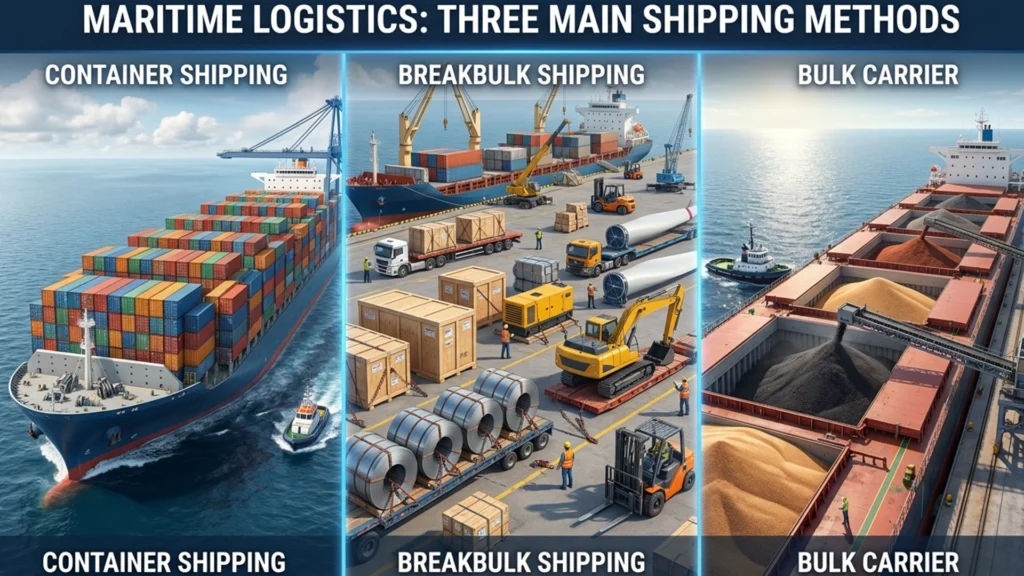
Mode selection follows volume and destination infrastructure. Each option carries a distinct cost curve and the crossover points matter for procurement planning.
Containerized shipping suits volumes up to a few thousand tonnes and destinations with reliable container handling. It offers superior cargo protection, flexible scheduling and simpler customs processing. For bagged and palletized high-value grades, containers are the standard choice in bulk gypsum logistics.
Breakbulk and bulk carriers serve large-volume raw rock movements where per-tonne freight must be minimized. They demand specialized port equipment and longer turnaround, but they crush the per-tonne freight cost on big consignments. The threshold for switching from containers to bulk vessels typically sits in the multi-thousand-tonne range, depending on lane economics.
Your decision should weigh destination port capability as heavily as volume. A bulk carrier saves money only if the receiving port can discharge it efficiently; otherwise demurrage erases the freight savings. This is why sound bulk gypsum logistics planning always begins with destination infrastructure, not vessel type.
Incoterms and Documentation for Importers
Incoterms allocate cost and risk and the wrong choice can quietly transfer liability to you. For first-time gypsum importers, the distinction between FOB and CIF terms is the most consequential decision in the contract.
Under FOB, you control freight booking and assume risk once cargo crosses the ship’s rail. This gives experienced importers leverage to optimize freight, but it places moisture and transit risk squarely on your books. Choose FOB only when you have the logistics capability to manage it.
CIF shifts freight and insurance arrangement to the seller, simplifying the buyer’s role at the cost of less control. For importers building their first bulk gypsum logistics program, CIF reduces operational complexity while you develop in-house expertise. The premium you pay buys risk transfer and convenience.
Documentation discipline prevents customs delays that generate demurrage. Standard requirements include the commercial invoice, packing list, bill of lading, certificate of origin and a material safety data sheet. For mineral imports, many jurisdictions also require composition certificates confirming the gypsum grade and purity.
Loss Prevention and Quality Assurance
Loss prevention is where margins are won or lost in commodity minerals. A structured QA process at origin protects you from receiving and paying for material that fails specification.
Pre-shipment inspection should verify moisture content, particle size and purity against the contract specification. Third-party inspection at the load port provides independent documentation if a dispute arises later. For high-value processed grades, this inspection cost is trivial against the value of the cargo.
Insist on retained samples sealed and signed by both parties before loading. These samples become the reference point for any quality claim and remove ambiguity from dispute resolution. Robust bulk gypsum logistics includes a clear, contractual quality-claim mechanism agreed before the first shipment moves.
Transit monitoring closes the loop. Temperature and humidity loggers placed inside containers provide a verifiable record of conditions during the voyage. When a moisture claim arises, this data determines whether the fault sits with packaging, handling, or transit conditions.
Building Supplier Accountability Into Contracts
Contracts should specify acceptable moisture ranges, rejection thresholds and remedies in plain terms. Vague quality clauses favor whoever holds the cargo, which is rarely the importer. Precise specifications protect both parties and keep your bulk gypsum logistics predictable.
Tie payment milestones to inspection results where possible. A letter of credit released against a clean pre-shipment inspection certificate aligns the supplier’s incentives with your quality requirements. This structure rewards suppliers who invest in proper handling and penalizes those who cut corners.
Working With an Export-Ready Supplier
Not every gypsum producer is built for export. The difference shows in packaging capability, documentation fluency and consistency across repeat shipments. An export-ready partner reduces the operational burden of bulk gypsum logistics dramatically.
Evaluate suppliers on their full grade range and their ability to package each grade appropriately. A producer offering everything from Raw Gypsum Stone to specialized Betogips Gypsum demonstrates the processing depth that supports consistent quality. Range signals capability and capability reduces your risk.
Ask directly about moisture-control protocols, container loading procedures and inspection access. Suppliers who answer these questions concretely have systems in place; those who deflect do not. The quality of these answers predicts the quality of your shipments more reliably than any price quote.
Finally, treat your first few shipments as a structured trial. Document arrival condition, moisture readings and rejection rates, then use that data to negotiate from evidence. Disciplined importers turn bulk gypsum logistics from a cost center into a competitive advantage and the right supplier relationship is the foundation of that shift.
Ready to lock in dry, spec-compliant gypsum at a predictable landed cost?
Rezvan Mines supplies the full grade range, from Raw Gypsum Stone to processed Betogips Gypsum, with export-ready packaging, moisture-control protocols, and full inspection access. Request a quote and packaging spec sheet today.